 Bari Hub
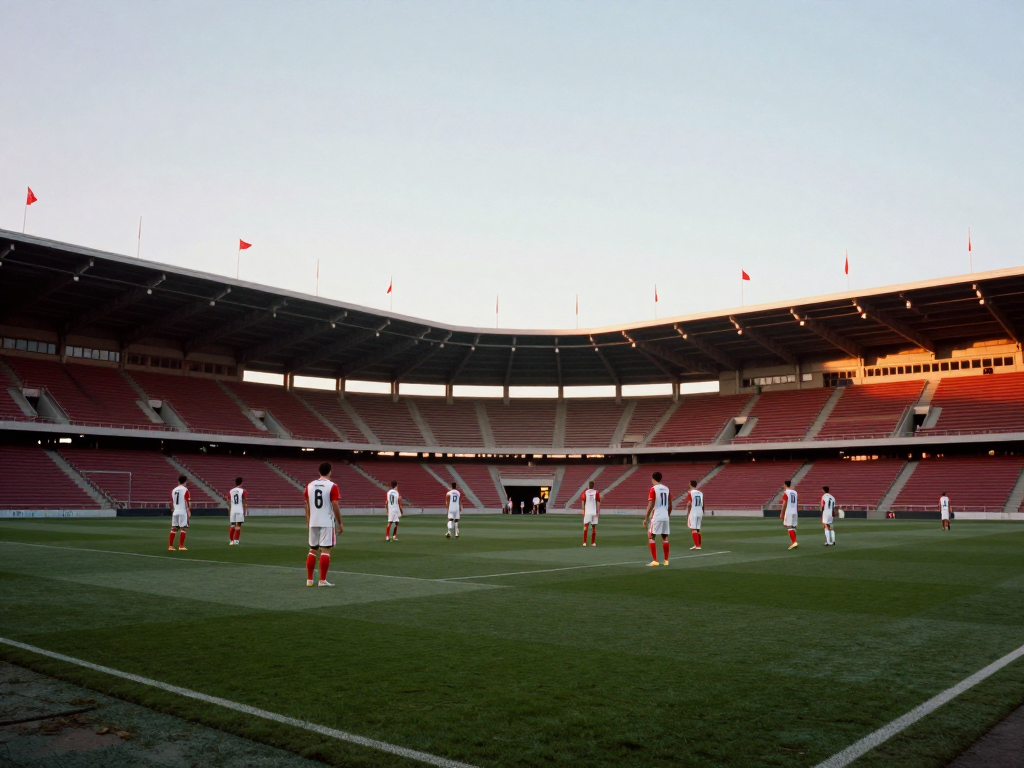
The echoes of Bari's defeat resonated far beyond the pitch at the Galletti on 12 May 2026. After an agonizing series of two 0-0 draws against Sudtirol, the Apulian club finds itself relegated to Serie C for the first time since 1983. This historic moment not only signifies the end of a chapter but raises pressing questions about the future of the club, its players, and its loyal supporters.
The Match That Changed Everything
Bari entered the playout with hope, but the inability to break the deadlock in both legs proved fatal. The first leg had already set a tone of frustration, with Bari struggling to create clear scoring opportunities. Despite some promising moments, the final whistle of the second leg confirmed fears that had been growing throughout the season.
Sudtirol, known for their resilience, played a tactical game that stifled Bari's creativity. Their goalkeeper pulled off several crucial saves, while Bari's forwards lacked the sharpness required in such high-stakes matches. The fans, who had packed the Galletti in hopes of a turnaround, left the stadium in despair, their dreams of remaining in Serie B dashed.
What This Means for Bari
For Bari, relegation isn't just a statistical anomaly; it's a seismic shift that will impact the club's identity. The club has a storied history, deeply woven into the fabric of the local community. Fans are now faced with the harsh reality of supporting a team in Serie C, a league that poses different challenges and lower visibility.
The financial implications are significant. With a drop to a lower division, Bari risks losing key players who may seek opportunities elsewhere. The club's recruitment strategy will need to adapt, focusing on young talents or free agents who can help rebuild the squad. The emotional toll on fans is palpable; many have memories tied to the club's successes and now face an uncertain future.
The Wider Impact on Italian Football
Bari's relegation is part of a larger narrative within Italian football. The Serie B is known for its competitive nature, but clubs like Bari, with rich histories, find themselves struggling to keep pace with more financially stable teams. This relegation could trigger a domino effect, impacting rival clubs and the dynamics of the league.
- Financial strain: Relegated teams often face decreased revenues from ticket sales and sponsorships.
- Player transfers: Key players may leave for clubs in higher divisions, further weakening the team.
- Fan engagement: Supporter enthusiasm may wane, impacting attendance and club revenue.
Critics will argue that this relegation is a wake-up call for Bari's management. They need to reassess their strategies, from player recruitment to financial management, ensuring that the club doesn't become a perennial yo-yo team between divisions.
Fan Reactions: A Mixed Bag
Fans have taken to social media to express their dismay and frustration. Many are calling for accountability from the management and coaching staff, questioning the decisions made throughout the season. Some are even advocating for a complete overhaul of the squad, demanding that only those who show real commitment to the club's future remain.
A poll conducted among supporters reveals a spectrum of emotions: - Frustration: 60% feel let down by the management's inability to secure promotion. - Hope: 30% believe that relegation could serve as a fresh start for the club. - Disillusionment: 10% are considering stepping back from supporting the team.
Anyone who's followed Bari this season will know that the atmosphere surrounding the team has been tumultuous, with each match feeling like a high-stakes gamble. The future of the club now hangs in precarious balance, and supporters are understandably anxious.
Tactical Breakdown: What Went Wrong?
Bari's tactical approach throughout the season has faced scrutiny. Their inability to adapt during games against teams like Sudtirol exemplified their struggles. The reliance on a defensive strategy often backfired, as it left the team vulnerable to counterattacks.
- Lack of creativity in midfield: The midfielders struggled to link up with the forwards, leading to a disjointed attack.
- Defensive vulnerabilities: While the defense had moments of solidity, lapses in concentration proved costly.
- Failure to exploit set pieces: Bari has consistently failed to capitalize on set-piece opportunities, a crucial aspect in tight matches.
As the club looks to rebuild in Serie C, a more dynamic and aggressive tactical framework may be essential. Emphasizing youth development while retaining a core group of experienced players could pave the way for a more successful campaign in the years to come.
What's Next for Bari?
The immediate future for Bari is fraught with uncertainty. The club now needs to focus on rebuilding its squad while managing the emotional and financial fallout from relegation. Discussions around player contracts will be pivotal, with several key figures needing reassurances about their roles moving forward.
As the club prepares for its campaign in Serie C, the focus must shift to fostering a strong connection with the fans and finding a way back to the second tier. Understanding the community's sentiments and addressing their concerns will be crucial for restoring faith in the club's leadership and ambitions.
In conclusion, Bari's relegation marks a defining moment in the club's history, one that could either serve as a catalyst for growth or a period of decline. The decisions made in the coming months will be critical. The club needs to embrace this challenge head-on, ensuring that the passion of its supporters is not only acknowledged but harnessed to build a brighter future.